White Vinegar Font for Editorial Design
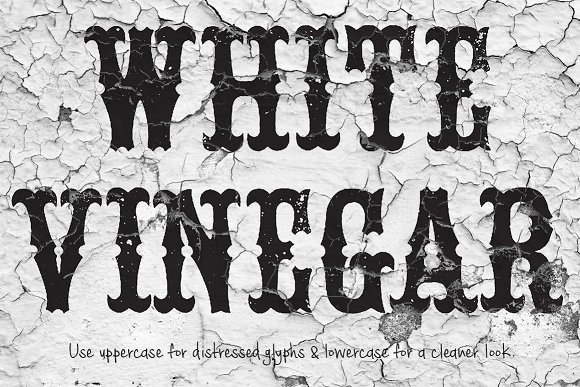
White Vinegar is a distinctive blackletter typeface that brings a vintage, handcrafted aesthetic to editorial projects. Its design blends old wood type charm with modern readability, making it ideal for content creators who want to add visual personality without sacrificing clarity.
The uppercase letters feature a slightly distressed texture, evoking the look of aged typography, while the lowercase glyphs remain clean and structured. This contrast creates a dynamic visual rhythm that can elevate headings, cover designs, and graphic elements across various publishing formats.
White Vinegar in Editorial Layouts
For bloggers and magazine designers, White Vinegar offers a strong visual anchor for headers, section titles, and pull quotes. Its bold, ornate style works well as a display font, drawing attention to key sections of an article or publication. When used strategically, it can help define the tone and identity of a brand or content series.
In ebook covers and newsletter graphics, White Vinegar adds a sense of authenticity and craftsmanship. It pairs well with modern sans serif fonts for body text, creating a balanced contrast that enhances readability while maintaining visual interest. This makes it a valuable asset for digital publications, printable guides, and lead magnets.
White Vinegar for Branding and Visual Identity
Content creators and independent brands can use White Vinegar to establish a unique visual identity. Whether designing a lifestyle blog, recipe ebook, or wedding guide, this font helps convey a specific mood—whether it’s nostalgic, artisanal, or creatively refined.
Its versatility extends to print and digital media. In printable planners and worksheets, White Vinegar adds a touch of character to headings and labels. On mobile layouts and screen readers, its legibility ensures that even small text remains clear and engaging.
Practical Use Cases for White Vinegar
Consider using White Vinegar for a coaching workbook’s chapter openers or a digital magazine’s feature headlines. Its structure supports visual hierarchy, guiding readers through content while maintaining an elegant, cohesive look. For social media graphics and web design, it can serve as a striking accent font that stands out without overwhelming the page.
In a recipe ebook, White Vinegar could be used for title pages and section headers, adding a warm, handmade feel. In a wedding guide, it might appear on cover art or event signage, reinforcing a theme of tradition and personalization.
Font Pairing and Readability
When pairing White Vinegar with other fonts, consider complementing its ornate style with a clean serif or sans serif typeface. This combination allows the display font to shine while ensuring body text remains easy to read. For captions, navigation, or footnotes, a simple sans serif can provide clarity without competing with the main design elements.
Readability is crucial for long-form content. While White Vinegar excels as a headline or accent font, it’s best avoided for extended paragraphs. Its intricate details may reduce legibility on screens or in small sizes, so it’s important to test how it appears in different formats, including PDF exports and mobile views.
Commercial Licensing and Usage
Creators using White Vinegar in commercial projects should verify the licensing terms. Many premium fonts allow use in ebooks, templates, printables, and paid newsletters, but restrictions may apply to certain applications. Always review the license agreement to ensure compliance with branding and distribution requirements.
For independent content brands and digital product creators, White Vinegar can be a powerful tool for differentiation. Its unique character helps stand out in crowded markets, offering a fresh alternative to generic typefaces. Whether for logo design, packaging, or editorial work, it contributes to a more memorable and cohesive brand presence.
White Vinegar for Creative Projects
From printable worksheets to course materials, White Vinegar adds a layer of artistic expression. It works well in quote graphics, where its stylized form enhances the impact of key messages. In a creator newsletter, it can be used for subject lines or section dividers, creating a visually engaging layout that captures attention.
For those working on creative fonts and design assets, White Vinegar demonstrates how traditional typography can be adapted for modern use. Its blend of historical inspiration and contemporary functionality makes it a compelling choice for editorial designers seeking to balance aesthetics with usability.
Final Thoughts on White Vinegar
White Vinegar is more than just a font—it’s a design element that can shape the visual language of a publication. Its ability to convey personality while supporting readability makes it a valuable addition to any content creator’s toolkit. Whether used for headlines, branding, or decorative accents, it offers a way to elevate editorial work with a touch of character and authenticity.
By understanding its strengths and limitations, designers can make informed choices about when and how to use White Vinegar. With careful pairing and thoughtful application, it can enhance the overall experience of a publication, making it more engaging and visually compelling for readers.